Our approach: Supporting sustainable food systems


We aim to protect, grow and support sustainable food systems through positive action on climate, nature and animal welfare. By partnering with suppliers, industry and government, we can support sustainable food production, build resilience against disruptions, and support the continued availability and affordability of food for our customers.


Know your seafood


What is ‘farmed’ seafood?

Farmed seafood, commonly known as aquaculture, is the breeding, rearing, and harvesting of fish, shellfish, and other aquatic organisms in controlled water environments. The rearing process must involve active intervention to enhance production, such as regular stocking, feeding, or protection from predators. Farming occurs in managed environments like ponds, tanks, or marine enclosures (pens). More than half of the seafood consumed globally is farmed1.

1 FAO (2024). The State of World Fisheries and Aquaculture 2024. Blue Transformation in action. Rome. https://openknowledge.fao.org/items/8ab20ccf-1e9d-4ae6-836c-ca770d16da01

What is ‘wild-caught’ seafood? 

Wild-caught seafood refers to fish, shellfish and other aquatic species that are captured from natural marine or freshwater ecosystems, such as oceans, rivers, and lakes, where they live, grow and reproduce without human intervention. Wild-caught seafood is captured using various commercial fishing methods such as nets and lines.


Own Brand Sourcing in Australia


All Woolworths Own Brand fresh, frozen, canned and ingredient seafood2 sold within our Australian Supermarkets and Metro Stores is Independently Certified or Verified, as defined in our Woolworths Group Seafood Sourcing Policy.


2 Seafood in pet food, derivatives in cooking products as ingredients or products (e.g. fish sauce, fish stock, extracts and pastes) and extracts in health products (e.g. cod liver oil and krill oil) are not currently included in the scope of this Policy.


What does ‘independently certified’ mean?


‘Independently certified’ means own brand farmed seafood products are sourced from aquaculture or fishery operations that have been assessed against approved third-party global independent standards and certifications (see below). This process is separate from retailers and suppliers and occurs following an independent audit process.


What does ‘independently verified’ mean?


Some Own Brand wild-caught seafood (as well as Australian mussels and oysters) can be ‘independently verified’ by meeting specific assessment or verification requirements under approved frameworks. For further information please refer to the Woolworths Group Seafood Sourcing Policy.


On-Pack Customer Messaging


Products meeting the requirements of the Group Seafood Sourcing Policy can be recognised by one of the following logos on pack:

brand divider brand divider brand divider brand divider brand divider brand divider brand divider brand divider brand divider brand divider brand divider brand divider brand divider brand divider brand divider brand divider brand divider brand divider brand divider brand divider brand divider brand divider brand divider brand divider brand divider brand divider brand divider brand divider brand divider
Responsibly Sourced
independently certified or verified


Through 2026 our Own Brand Seafood product packaging will start transitioning to the “Independently Certified or Verified” logo, continuing to provide customers helpful information regarding our sourcing standards.


Farmed Seafood


All of our own brand farmed seafood, other than Australian oysters and mussels, must be third-party ‘independently certified’.

Independently Certified

Accepted independent certifications for farmed seafood (aquaculture) are: 

More information on these standards can be found on their respective websites.

Own brand farmed seafood products assessed against the ASC, BAP or GGN standards are assessed against environmental, animal health and welfare, human rights safety and feed sourcing standards by an independent third party.

Examples of farmed seafood products which have been ‘independently certified’ include: Tasmanian-grown Atlantic Salmon, Barramundi, Tiger Prawns, Banana Prawns and Basa.

Where farmed seafood products carry the ASC logo these products are additionally assessed against the ASC Chain of Custody Standard.

brand divider brand divider brand divider brand divider brand divider brand divider brand divider brand divider brand divider brand divider brand divider brand divider brand divider brand divider brand divider brand divider brand divider brand divider brand divider brand divider brand divider brand divider brand divider brand divider brand divider brand divider brand divider brand divider brand divider
asc certified logo

Independently Verified

Farmed Australian oysters and mussels are independently verified in accordance with our Seafood Sourcing Policy. This means they have been assessed against a science-based ecological assessment by an independent company to confirm low risk environmental impact.


Wild-Caught Seafood


All of our own brand wild-caught seafood must be sourced from fishery operations that are third-party ‘independently certified’ or ‘independently verified’.

Independently Certified

Accepted independent certifications for wild-caught seafood are:

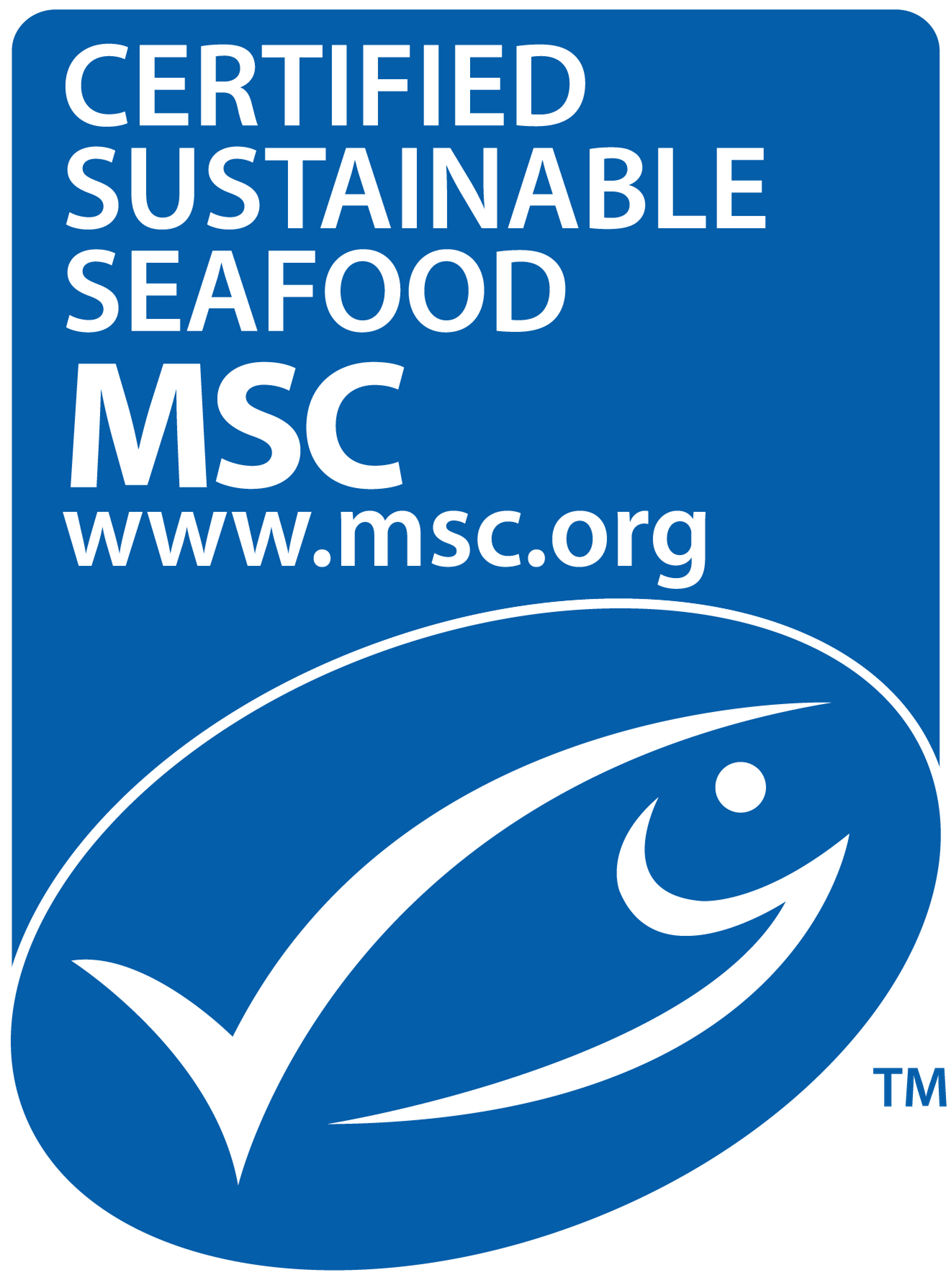
Where wild caught seafood products carry the MSC logo these products are additionally assessed against the MSC Chain of Custody Standard.

brand divider brand divider brand divider brand divider brand divider brand divider brand divider brand divider brand divider brand divider brand divider brand divider brand divider brand divider brand divider brand divider brand divider brand divider brand divider brand divider brand divider brand divider brand divider brand divider brand divider brand divider brand divider brand divider brand divider
msc

Independently Verified

‘Independently verified’ through:

  • ‘Comprehensive’ Fishery Improvement Projects (FIPs listed on fisheryprogress.org) that have a progress rating of A or B; or

  • WWF’s Ecological Sustainability of Seafood (ESES) tool, with a classification of ‘low need for improvement’3.

Examples of wild-caught seafood products which have been ‘independently verified’ include: fish species such as whiting, mullet and flathead, as well as some lobsters and crabs.

3  for seafood that is sold unbranded behind the counter only.

Due diligence and incident investigation


We employ a multifaceted approach to setting our sourcing standards, guided by the Woolworths Group Risk Management Framework. 

We continuously review and improve our seafood sourcing standards, informed by the latest science and global standards. As part of our regular due diligence, we engage external seafood and animal welfare advisors on issues such as industry standards and best practice, certification programs, science based research, product claims and strategic sourcing improvements. 

Our due diligence extends to social responsibility. Adherence to the Woolworths Human Rights Policy is a requirement for all suppliers globally for doing business with Woolworths Group. All direct seafood suppliers of Own Brand and fresh seafood are in scope of the Responsible Sourcing Standards and are required to complete risk-based social compliance due diligence, in addition to the independent certification and verification requirements under our Seafood Sourcing Policy. 

We conduct internal and external due diligence and investigate any incidents  in our Own Brand supply chain that result in environmental or social impacts that are inconsistent with our Seafood Sourcing Policy.


Recognition / Awards


Woolworths Group was recognised by the Marine Stewardship Council as the 2026 National Community Champion at the Sustainable Seafood Awards Australia. This is the fourth time we've received this award.

This award recognises our support for suppliers and communities, enabling innovation, driving continuous improvement and demonstrating a commitment to embedding seafood sustainability.

In 2026, we were also recognised as ASC’s Aquaculture Champion for demonstrating leadership in advancing responsible aquaculture practices.

brand divider brand divider brand divider brand divider brand divider brand divider brand divider brand divider brand divider brand divider brand divider brand divider brand divider brand divider brand divider brand divider brand divider brand divider brand divider brand divider brand divider brand divider brand divider brand divider brand divider brand divider brand divider brand divider brand divider
MSC 2026
MSC
MSC
MSC
aquaculture champion 2026

The Marine Stewardship Council (MSC) is an international non-profit on a mission to end overfishing that set standards for sustainable fishing and traceability within the seafood supply chain.

brand divider brand divider brand divider brand divider brand divider brand divider brand divider brand divider brand divider brand divider brand divider brand divider brand divider brand divider brand divider brand divider brand divider brand divider brand divider brand divider brand divider brand divider brand divider brand divider brand divider brand divider brand divider brand divider brand divider
msc
 

When you see the MSC blue fish tick on a wild-caught seafood product or menu, it can be traced back to an MSC certified sustainable fishery

There's a wide variety of wild-caught seafood with the MSC blue fish tick label available at Woolworths. This includes family favourites such as tuna, salmon and prawns.